What Is Awe?

Awe is more than wonder or amazement. It is the feeling that arises when we encounter something vast, powerful, beautiful, unexpected, or meaningful, something that stretches beyond our usual way of understanding the world.

Psychologists often describe awe as involving two elements:

Awe = Vastness + the Need to Make Sense of It

Vastness does not have to mean physical size. It can be a star-filled sky, a powerful piece of music, a scientific discovery, a work of art, an extraordinary act of kindness, a moving story, or a moment of profound connection.

The need to make sense of it (called the need for accommodation) is what happens when an experience exceeds what we expected or thought we knew. We pause. We take it in. Something in us opens.

Awe is often a precursor to curiosity. It begins with "Whoa." Then curiosity follows with "How?" "Why?" and "What else is possible?" Awe opens the mind and invites us to explore what we do not yet understand.

For me, awe is an instant portal to the present moment and a connection to all that is. It reminds us that we are part of something larger than our immediate concerns, while bringing us more fully into the life directly in front of us.
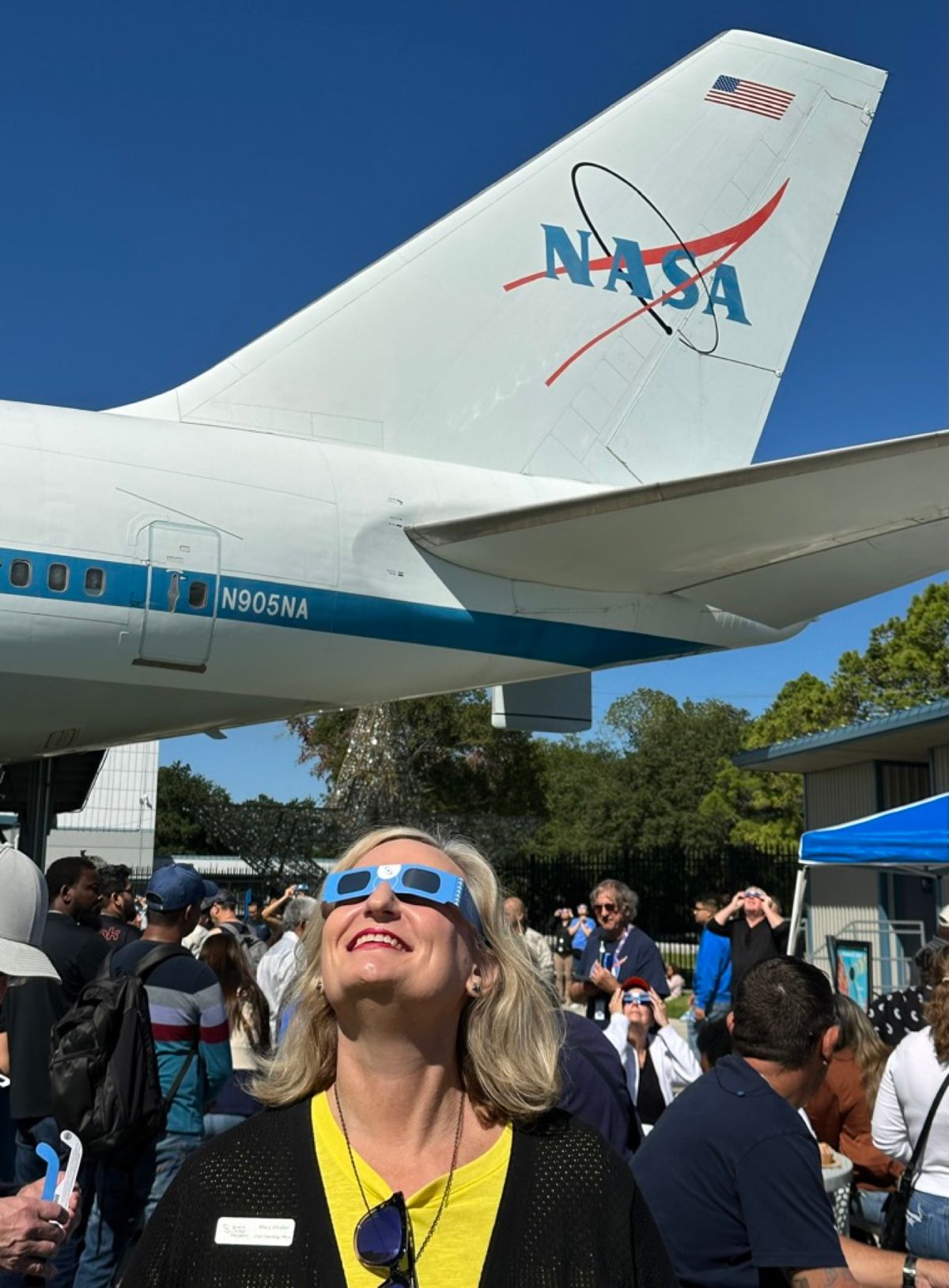
Mary Shafer in eclipse glasses looking up at the sky beneath a NASA aircraft at an eclipse party at Space Center Houston

Why awe matters

Awe does more than feel good in the moment. Research suggests it can help us become less self-focused and more connected to other people, the natural world, and something larger than ourselves. That expanded perspective can support curiosity, compassion, generosity, and a greater sense of belonging.

Studies have also linked awe experiences with well-being, including positive emotion, resilience, and life satisfaction. Some research suggests awe may help reduce stress, including lower cortisol in certain settings. Awe can help us pause, regulate, and regain perspective when life feels demanding or uncertain.

Awe also has a social effect. When we experience wonder together through art, music, nature, movement, learning, or a shared moment of meaning, it can strengthen connection and encourage prosocial behaviors such as kindness, cooperation, and care for others.

That is why awe matters in museums, organizations, communities, and individual lives. It can help people become more present, more open, more curious, and more connected to what matters.

Eight common sources of awe

Researcher Dacher Keltner describes eight "wonders of life," or common sources of awe:

  • Moral beauty: Witnessing courage, generosity, compassion, creativity, or excellence in others.
  • Nature: Encountering the beauty, complexity, power, or vastness of the living world.
  • Collective effervescence: Feeling connected to something larger through shared movement, ritual, celebration, performance, or collective action.
  • Music: Being moved, transported, or connected through sound and performance.
  • Visual art and design: Experiencing art, architecture, objects, or spaces that expand our sense of beauty and possibility.
  • Spirituality: Feeling connected to something larger than ourselves through spiritual or religious experience, contemplation, or practice.
  • Big ideas: Encountering an insight, discovery, or new way of seeing that expands our understanding.
  • Life and death: Reflecting on birth, mortality, ancestry, and the mystery and continuity of life.

Everyday Awe

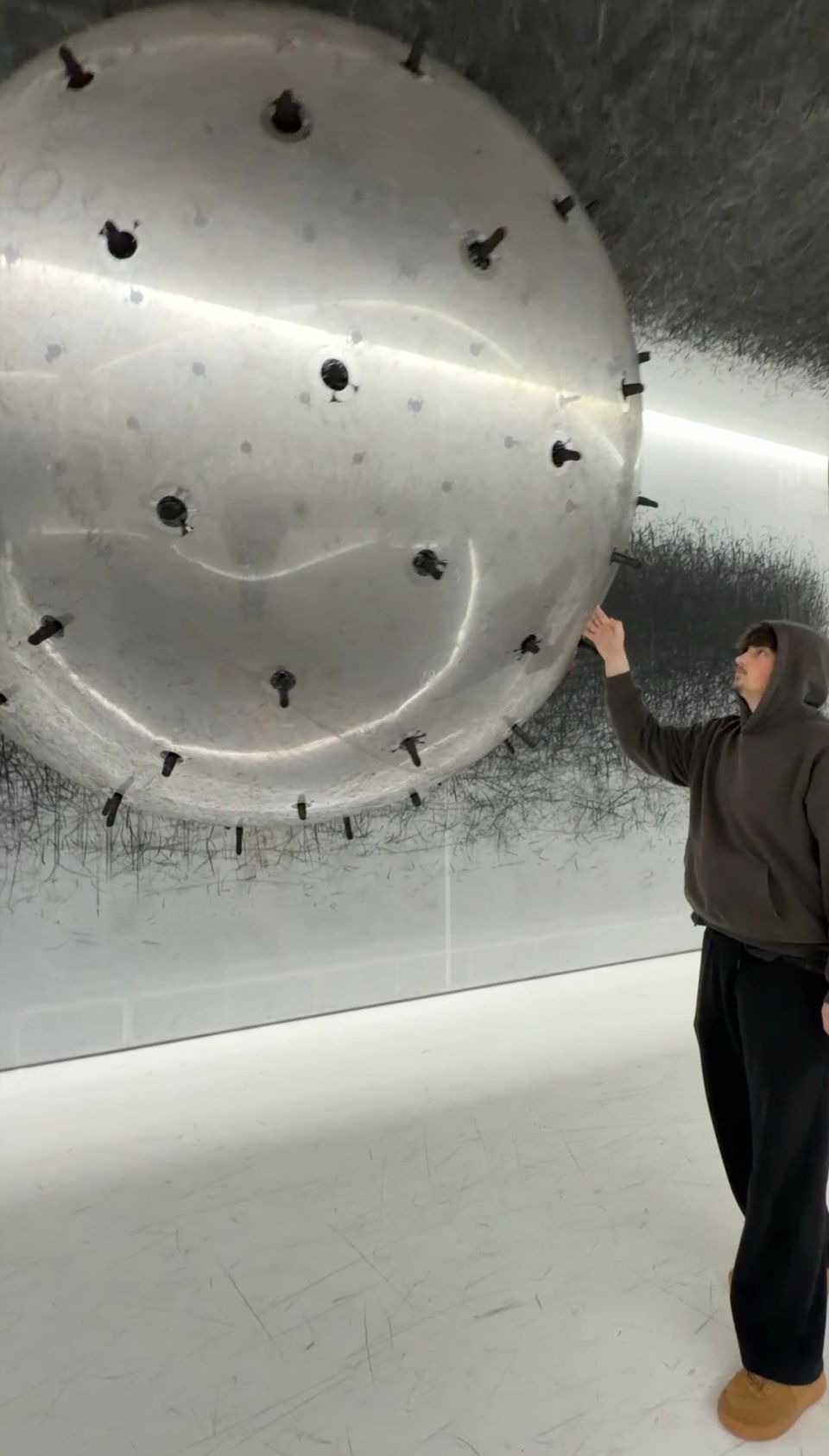
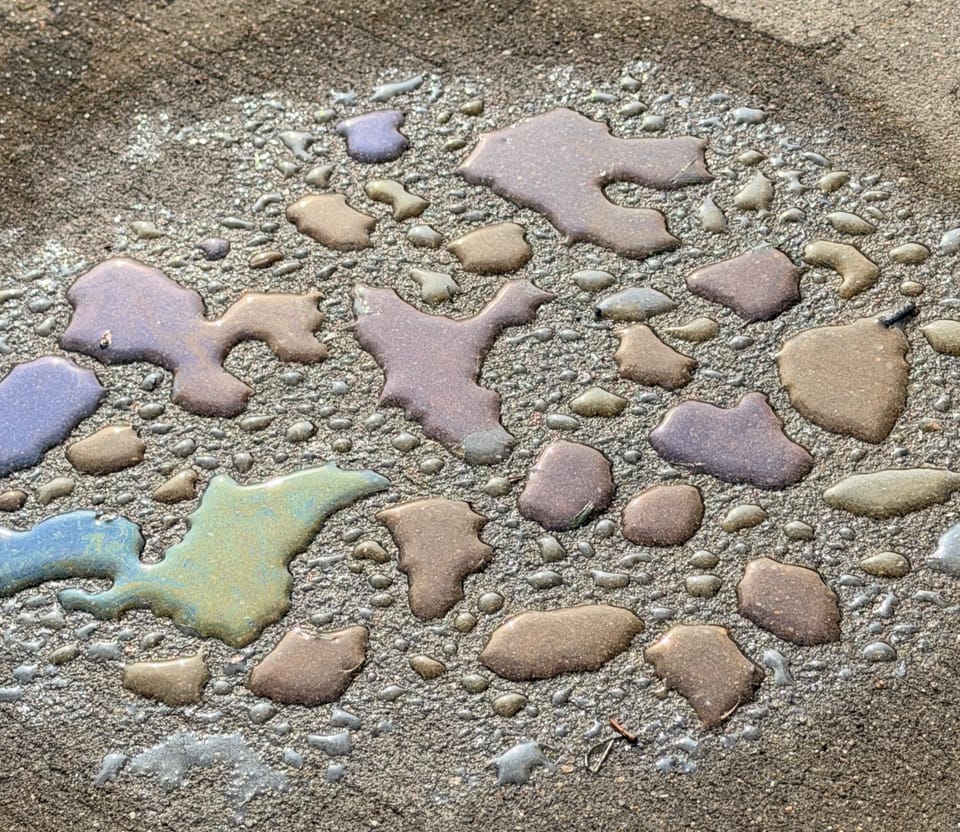
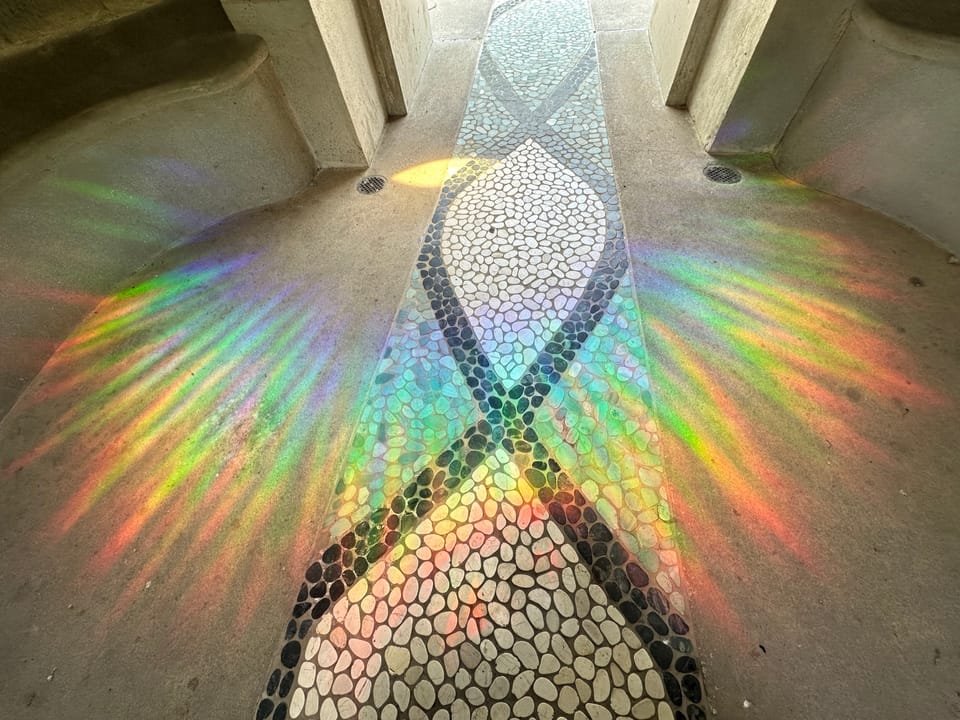
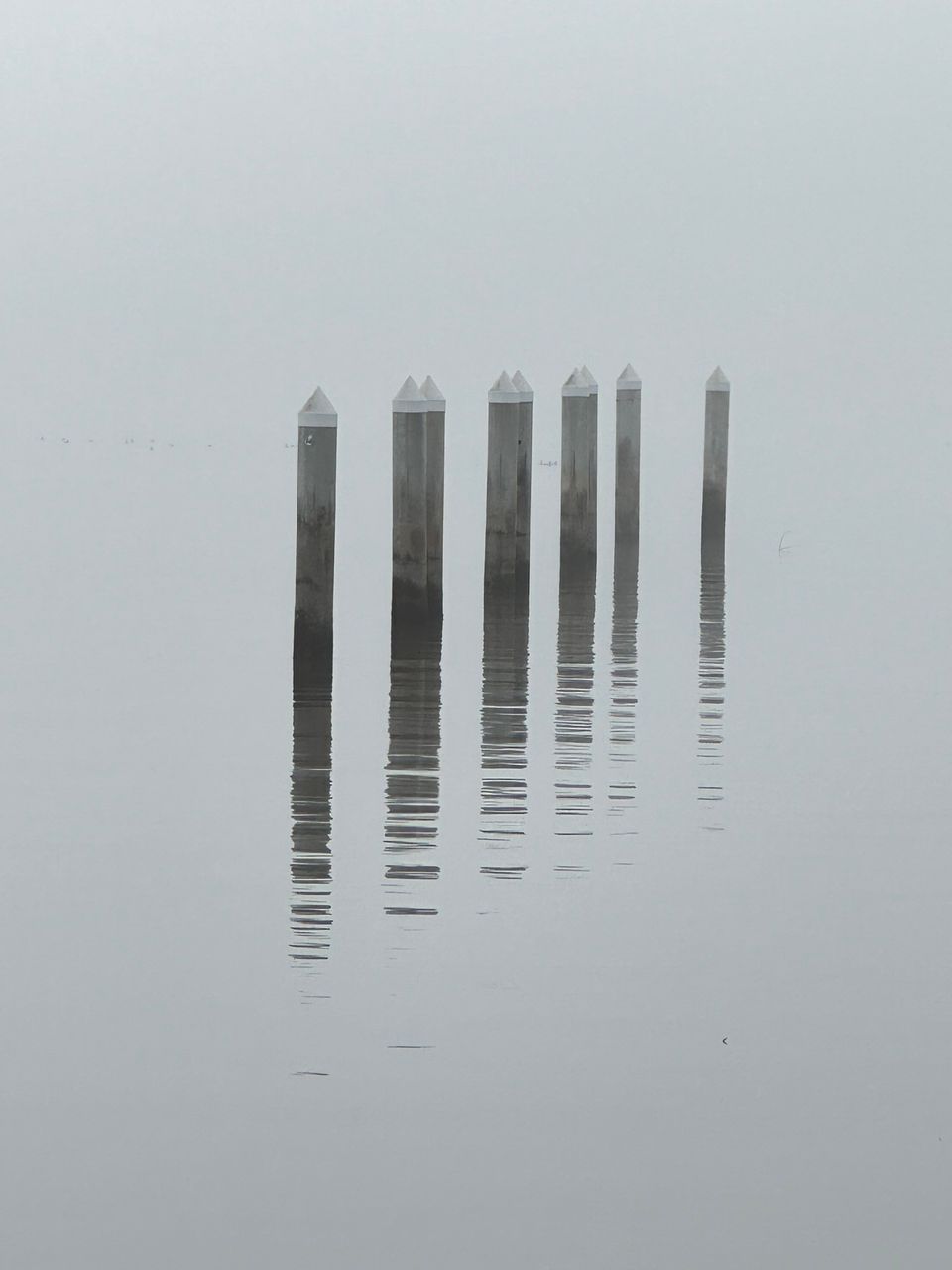
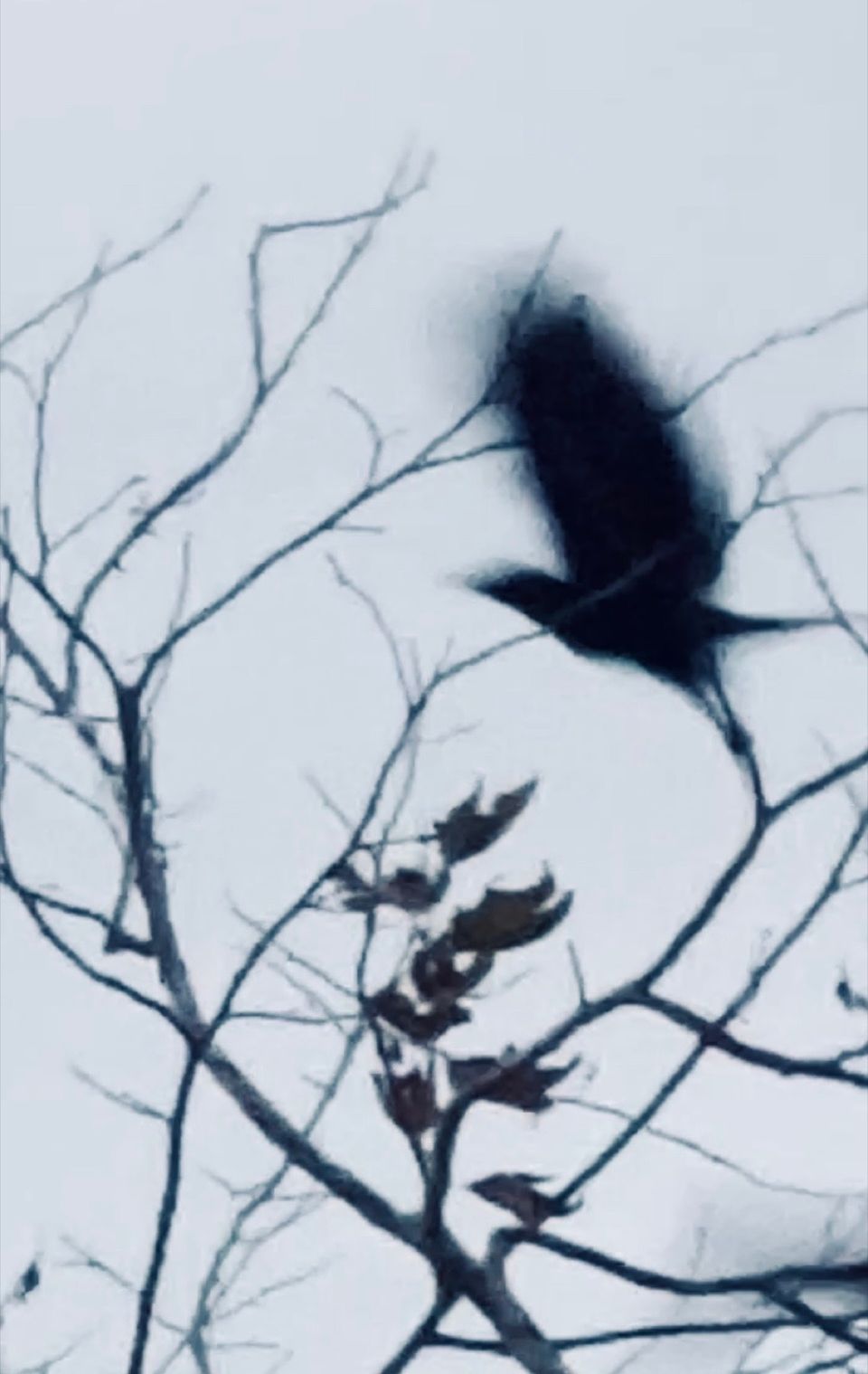
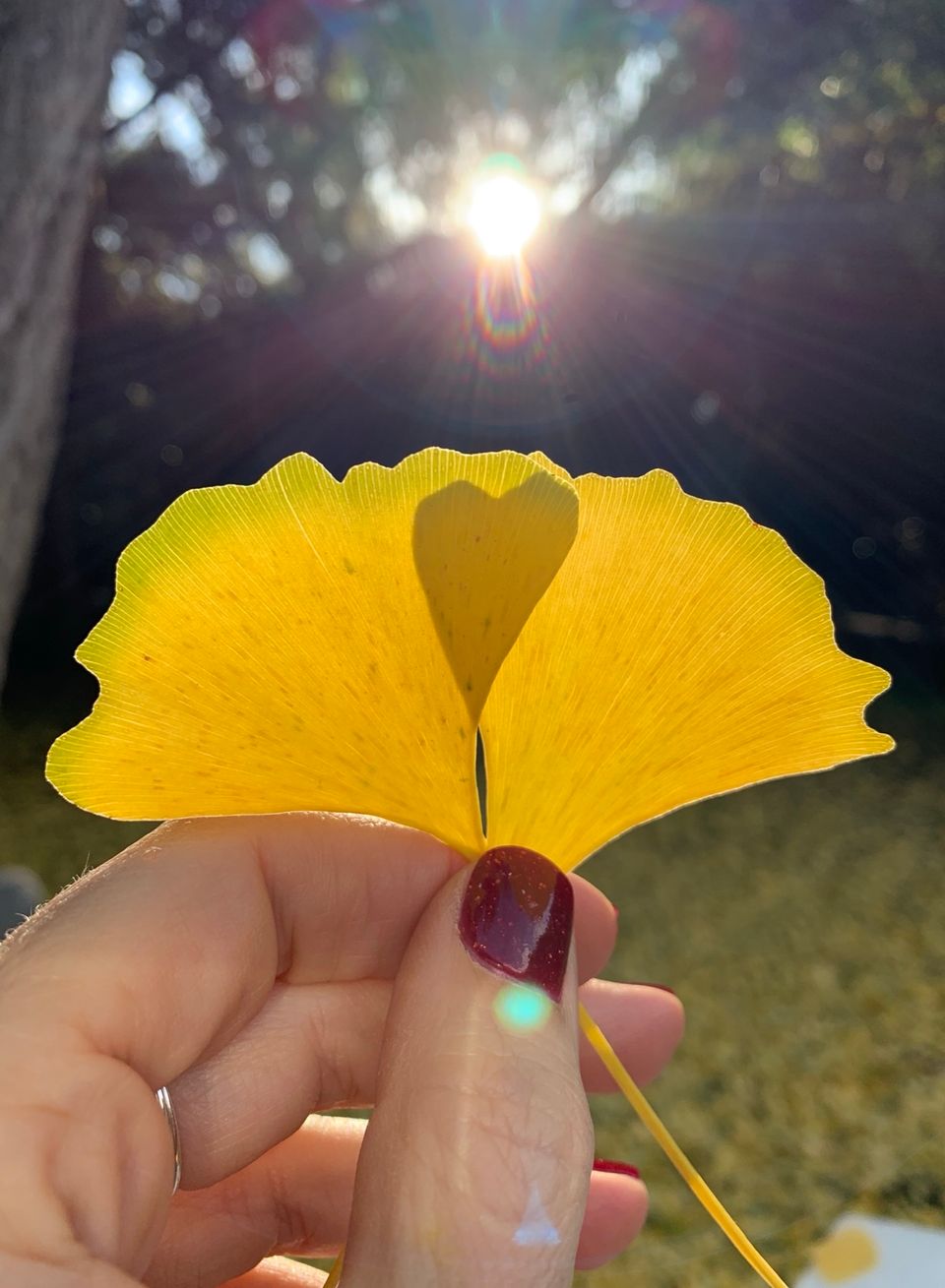
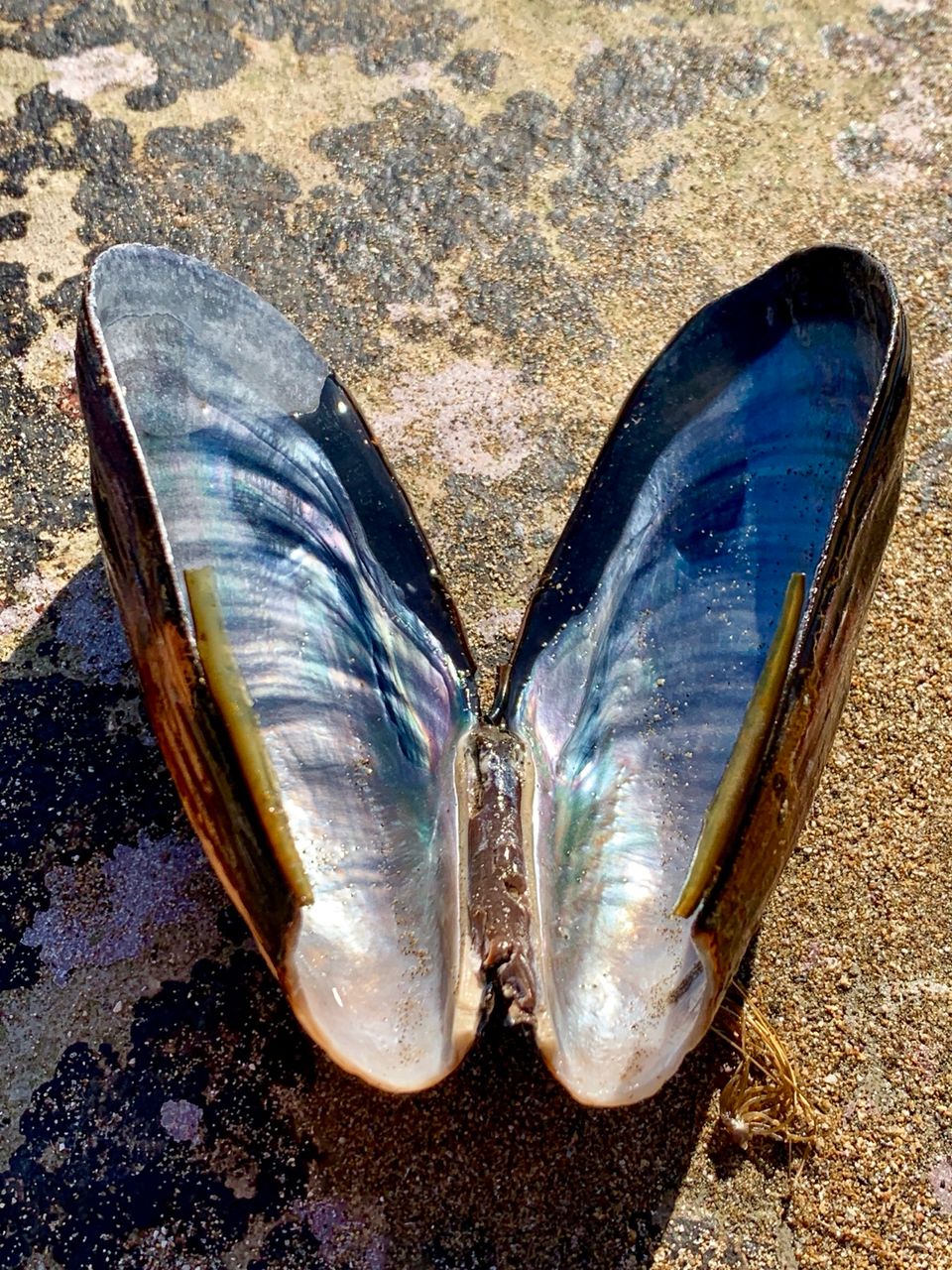
I love this framework because it reminds us that awe is not reserved for mountaintops or rare, extraordinary events. It can arise through a work of art, a powerful song, a moment of kindness, a shared experience, an unexpected insight, or a quiet encounter with the living world.

My own awe practice is an invitation to notice these moments more often. The more we notice them, the more opportunities we have for presence, curiosity, connection, and possibility. I post images from some of my everyday awe moments on Instagram (@aweconductor) and will be posting deeper insights here on my website.

Awe is not a luxury. It is a human capacity we can recognize, cultivate, and share.

Learn more about the science of awe through Dacher Keltner's work at the Greater Good Science Center.

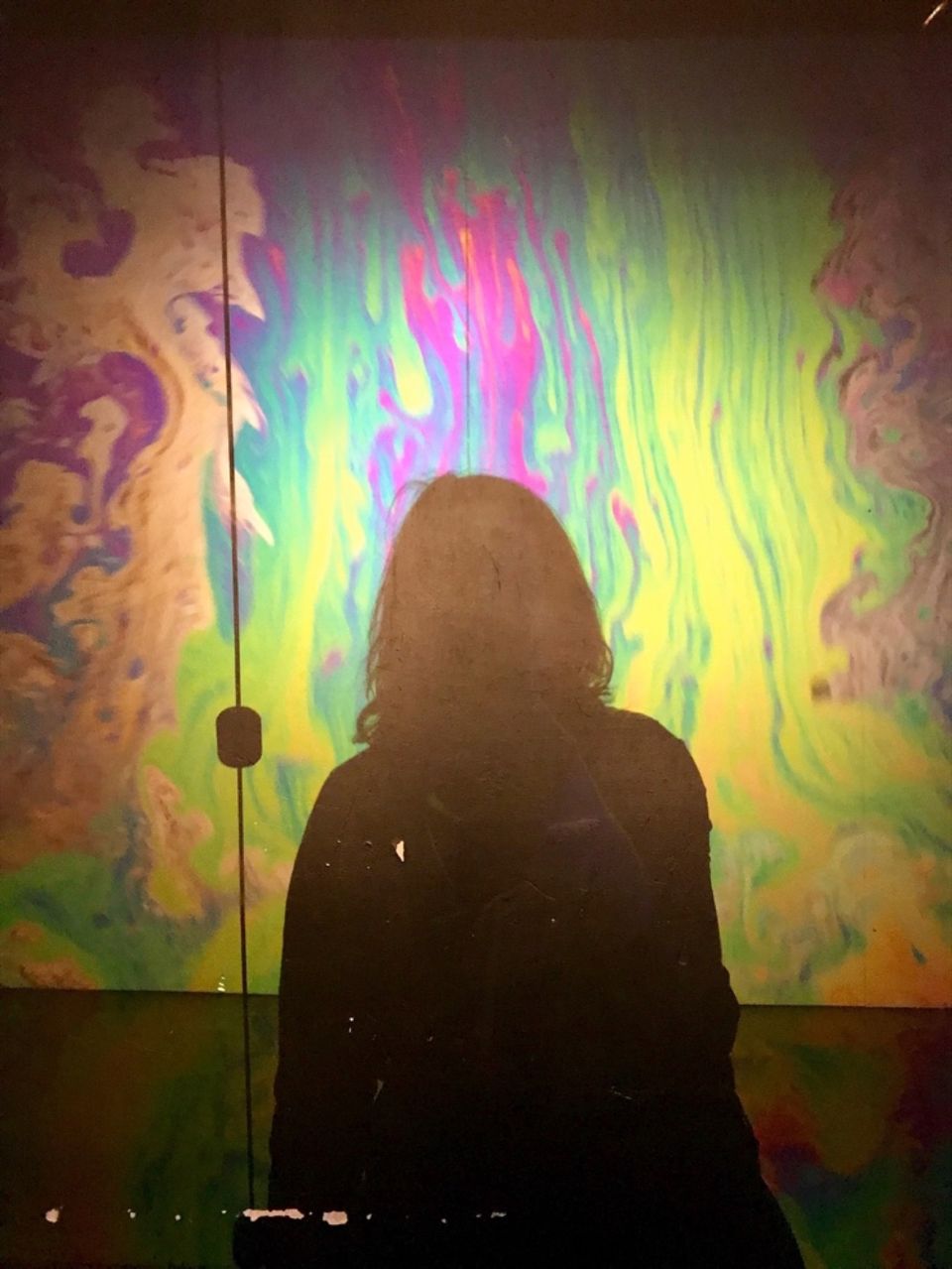
Mary Shafer silhouetted against the swirling rainbow colours of the bubble wall at the Exploratorium
The bubble wall at the Exploratorium, 2019
1 / 17

Acknowledgments

Hat tip to my friend and amazing PR pro Karsha Chang for posting that first article about awe that I saw, and also amazing exhibit designer extraordinaire Kim Baer from KBDA, who connected me to Dacher Keltner's book, Awe: The New Science of Everyday Wonder. All of these moments were pivotal in my connecting my life work.